




Diving Facts

- Dive shops:
Over 25
- Recommended travel time:
All year round
- Recommended diving suit:
Shorty Wetsuit, 3 mm
- Flight connection:
Edelweiss recommendation
Zanzibar is located in the Indian Ocean, about 40 kilometres off the coast of East Africa. This archipelago, known as the “Spice Island”, is part of Tanzania, and it has become a popular diving holiday destination with over 30 dive sites and consistent water temperatures of around 27°C. Zanzibar’s diverse marine biodiversity is perfectly complemented by its rich wildlife above water: with Zanzibar and Kilimanjaro, Edelweiss flies to two holiday destinations in Tanzania, which can be combined into a round-trip itinerary. In Serengeti National Park, you can search for the “Big Five”, and on diving safaris off the coast of Zanzibar, there is a good chance of seeing at least some of the “Marine Big Five”. Our tip for anyone who wants to swim with dolphins, snorkel and dive is the Bay of Kizimkazi in the Menai Bay Conservation Area, located in the south of Zanzibar’s main island. Entire pods of bottlenose dolphins and humpback dolphins frolic here in the early hours of the morning.
Top dive sites in Zanzibar

Mnemba Atoll: a jewel in the Indian Ocean
Three kilometres from the main island of Unguja in the Zanzibar archipelago lies Mnemba Island – a true island and a diving paradise. The Mnemba Atoll surrounding the island is rightly one of the most popular diving areas in Zanzibar: with an area of 15 square kilometres, it offers around 15 dive sites at depths of five to 40 metres, making it suitable for divers of all experience levels. The atoll is known for its vibrant coral reefs, where turtles, Napoleon fish, tuna and numerous schooling fish can be observed. There is even a chance of seeing whale sharks from September to December. There are numerous providers organising day trips to the small island, and the fee for dives in this marine protected area is already included in the price.

Hide and seek at Shane’s Reef
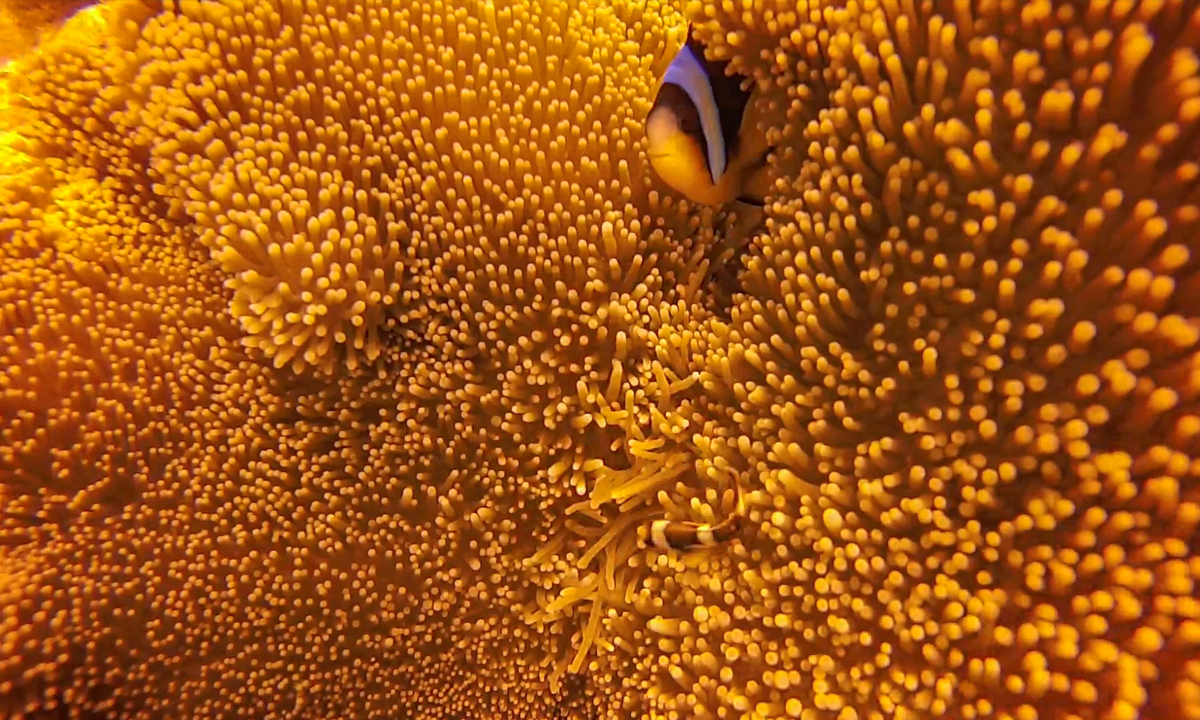
Shane’s Reef lies just a few minutes by boat from the Mnemba Atoll. This dive site is known for many sightings of expertly camouflaged marine creatures. Here, divers can discover fascinating scorpionfish, which blend seamlessly into their surroundings. Seahorses in various colours and sizes also hide here in particularly large numbers. Colourful clownfish, star snails and tube worms are among the other micro- and macro-organisms that divers and snorkellers can spot at Shane’s Reef. The mild currents and a depth of 16 metres mean that even beginners can explore the underwater world. Visibility at Shane’s Reef is usually around ten metres due to the many suspended particles in the water. Many tour operators combine dives at this reef with tours to the Mnemba Atoll.

Leven Bank: a professional dive at the submerged mountain
In the Pemba Channel north of Nungwi, there is a submerged mountain lying at a depth of several metres. The summit reaches to about 14 metres below the water surface and creates a truly unique dive site. However, Leven Bank is only suitable for experienced divers, as there are strong currents here, and you should only dive when the water and visibility conditions are good. Divers with the right experience can dive to depths of up to 50 metres. Leven Bank is home to large groupers, moray eels, tuna, barracudas and many other tropical fish. With a bit of luck, you may even see rays or dolphins swim past.

Get your first diving experience at Hunga Reef
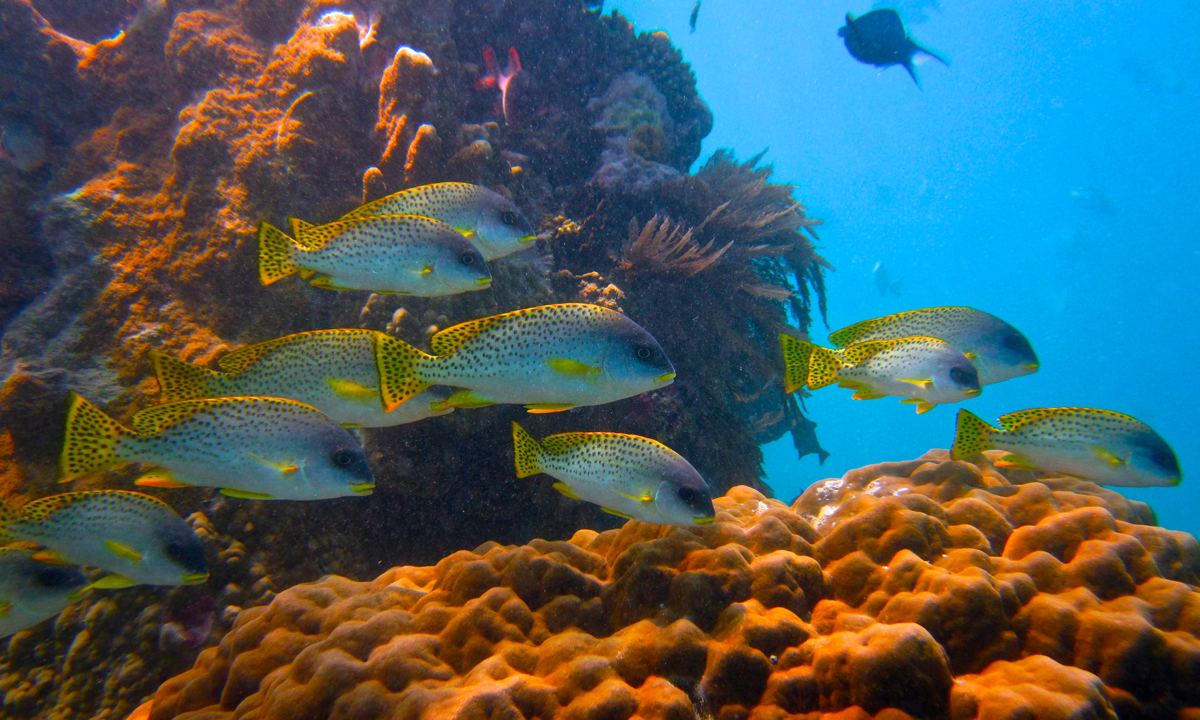
Nungwi is located on the northernmost tip of Unhuja, the main island of the Zanzibar Archipelago. Hunga Reef is one of the most popular dive sites at this end of the island. The reef is very popular with beginners with its maximum depth of 16 metres and good visibility. The coral garden with its large blocks, dotted with brightly coloured hard and soft corals, offers plenty of variety: seahorses, scorpionfish and whole schools of snappers and perch make their home here. There are also lobsters and nudibranchs hiding between the rock formations, just waiting to be discovered. Very close to Hunga Reef is Nankivell Reef, which has similar diving conditions. Many providers offer tours that combine dives at the two reefs.

Drift dive at the Big Wall
The Big Wall diving spot is located in the Mnemba Atoll, and is particularly popular with experienced divers. True to its name, the Big Wall is a vertical wall in the open ocean that drops from 20 to around 60 metres deep. Depending on the current, the Big Wall can become a popular spot for drift dives. The steep wall is covered with coral and sponges and has numerous overhangs and rock crevices where larger and smaller marine creatures can hide. With a bit of luck, divers can spot large pelagic fish, moray eels, dolphins, lobsters and turtles. Depending on the season and with even more luck, you may also spot manta rays or whale sharks.

Immerse yourself in nature at Tumbatu Island
The ring-shaped reef of Tumbatu Island is located off the north-west coast of Zanzibar. The unique shape of the reef protects divers from currents, thereby creating calm conditions for divers of all experience levels. The diving area is characterised by its wide variety of soft and hard corals. The three most popular main diving spots are Shetani, Popobawa and Mwana. At Popobawa, the reef begins at three metres deep and then drops vertically to twelve metres deep. This diving spot is known for its flourishing coral gardens, and in its caves and rock crevices you can look out for the rare blue and yellow nosed moray eel as well as octopuses. From Zanzibar’s main island, many companies offer day trips to Tumbatu. This thinly populated island, which sees hardly any tourists, offers the perfect conditions for snorkellers, with its secluded sandy beaches and offshore coral reefs.
Diving in Zanzibar

Recommended diving courses
The following diving schools and courses are the ideal choice for exciting excursions.