




Egypt’s green vein: river cruises on the Nile
On the map, the Nile looks like a narrow green line running straight through Egypt. Along the way, it becomes clear why it is considered a lifeline: along each bank lies a narrow strip of fertile land, with the barren desert immediately beyond. As you sail, villages, fields and major cultural sites pass by. They all lie close to the water, which once connected them to the rest of the royal kingdom.


Journey through history on the Nile
Those who travel on the Nile follow in the path of the pharaohs. They used these waterways thousands of years ago, and today’s cruises build upon their legacy. The classic 5-star superior Nile cruise offers spacious ships with comfortable cabins, a restaurant and a pool deck. Things are more intimate on board a dahabiya, a traditional smaller sailboat in the colonial style.

Call of the river
The journey from Cairo to Luxor via Aswan takes about 8 to 14 days. Usually, several overnight stays in Cairo are included, the perfect opportunity to visit the Great Sphinx or the Grand Egyptian Museum. Afterwards, a flight will take you to Aswan. From there, the route leads downriver on the Nile to Luxor. Longer trips that start in Cairo and travel the entire length of the Nile to Aswan are offered less frequently.


A temple fit for a goddess
In Aswan, the first leg of the journey often begins with a trip to the Temple of Philae. The complex is situated on an island in the reservoir in front of the Aswan Dam. Dedicated to the goddess Isis, the temple features finely crafted reliefs and hieroglyphs. Another stop leads to the dam itself, a monumental feat of engineering that still supplies the region with vital irrigation and electricity today.

Giant from the past
After these initial experiences around Aswan, the path then leads to the city’s granite quarries. There stands an unfinished obelisk – firmly attached to the bedrock. A crack during carving (c. 1460 BC) rendered it unusable, and work was abandoned. Thus it remained behind, offering us insight today into ancient quarrying techniques. At over 40 metres in length, it would have been among the largest obelisks in Egypt.


Nile cruise with stopovers
Further north, the Nile leads to Luxor. Time and time again, views open up over fields and small villages, while fishing boats cross the river and waterfowl stand on the bank. Stopovers in Kom Ombo and Edfu interrupt the river journey at regular intervals. The temples are often located just a few minutes from the mooring point, offering insight into the different eras and pantheons of Ancient Egypt.


A Nile cruise to the world of the pharaohs
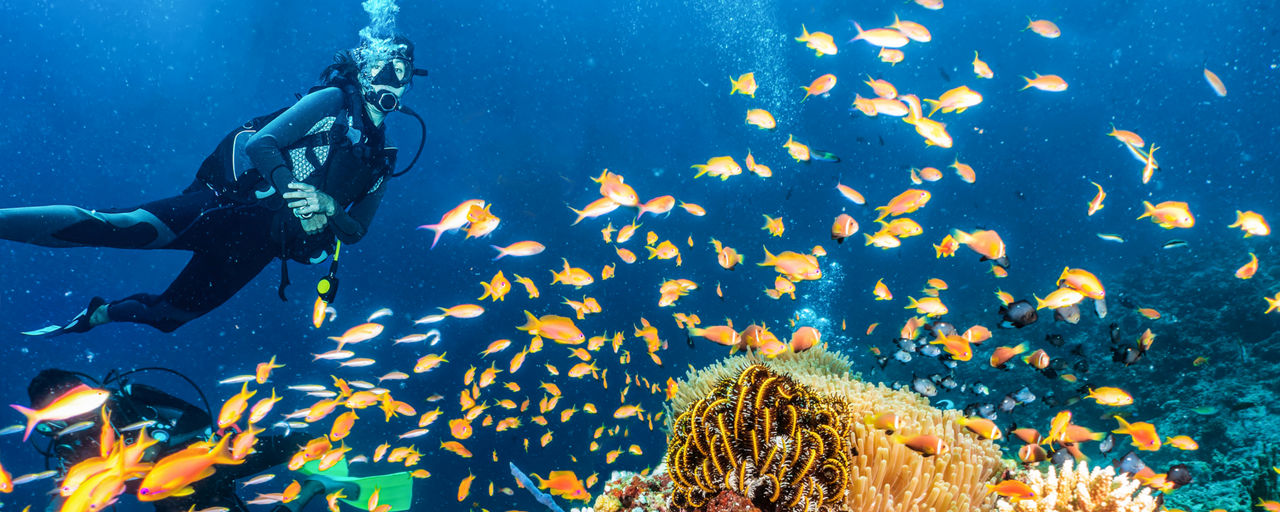
The closer the ship gets to Luxor, the denser the succession of historical sites becomes. The most famous is undoubtedly the Valley of the Kings. Within the rocks lie the hidden tombs of the pharaohs, including the tomb of Tutankhamun. In Luxor, the Nile cruise ends with a return flight to Cairo, or the holiday can be extended with a trip to the Red Sea: nearby Hurghada offers coral reefs and expansive beaches for swimming.


A tour of contrasts
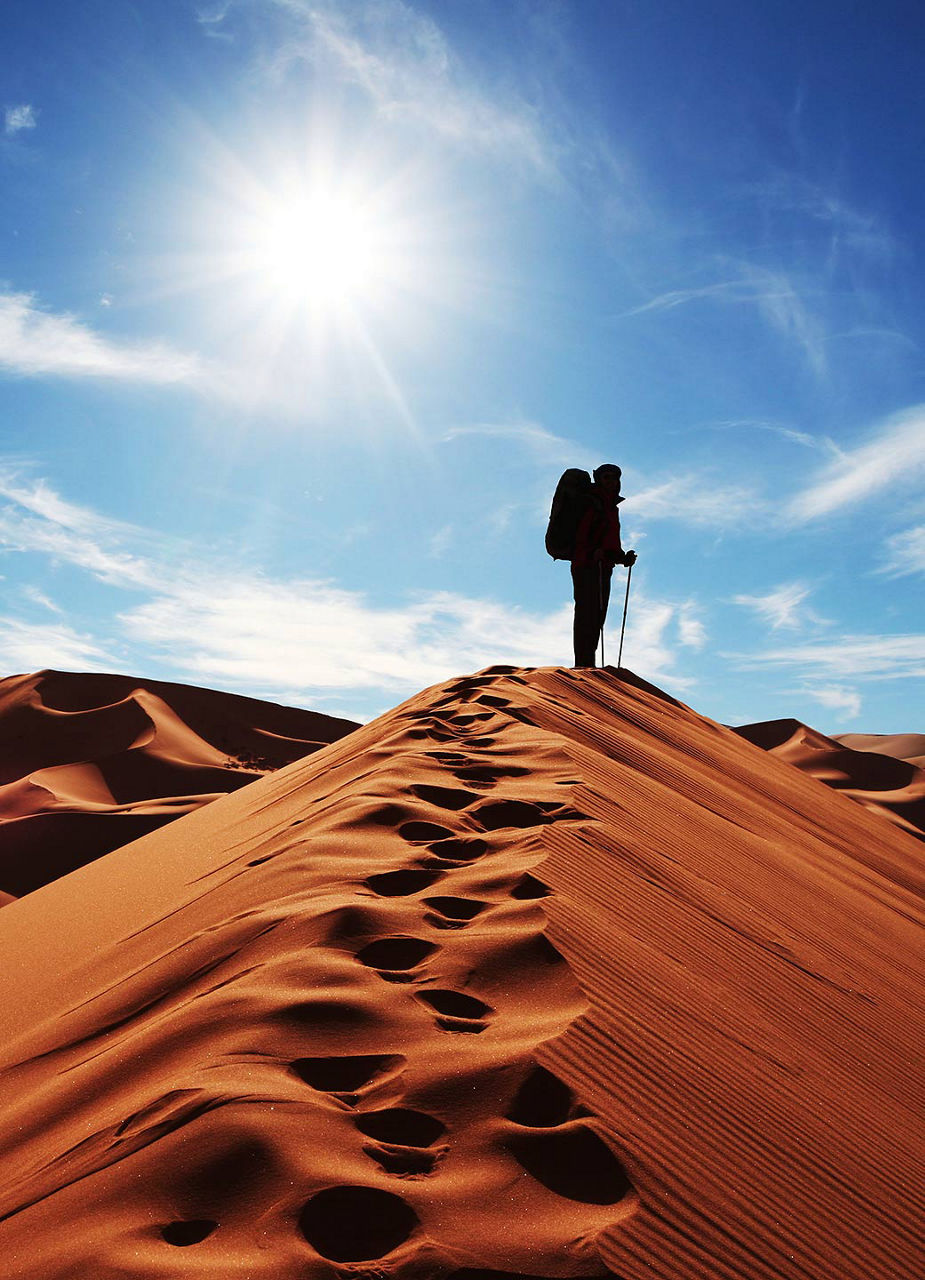
Beside temples and historical sites, the journey also reveals another side of Egypt: the diversity along the water. South of Aswan, around Lake Nasser, the shores are barren. Crocodiles inhabit these remote areas. The further northwards the journey leads, the more vibrant the scenery becomes. The shallow shoreline areas are home to flamingos and native migratory birds that stop here to rest.

The short Nile cruise in Cairo
Those wishing to spend less time on the Nile will find an alternative in Cairo: a sunset felucca ride. The traditional sailboats glide over the river for about an hour – engine-free, powered solely by the wind. As the sun disappears behind the skyline, palm trees and occasional boats pass by. The flat decks, lined with carpets and cushions, usually accommodate around ten people.
Header - Photo by Alfredo on Adobe Stock
Paragraph 1 - Photo by Maurizio on Adobe Stock
Paragraph 1 - Photo by Luis Davilla on Getty Images
Paragraph 2 - Photo by Pius Lee on Adobe Stock
Paragraph 3 - Photo by marabelo on Adobe Stock
Paragraph 3 - Photo by Anton Aleksenko on Getty Images
Paragraph 4 - Photo by Abraham Moral Toro on Adobe Stock
Paragraph 5 - Photo by EwaStudio on Adobe Stock
Paragraph 5 - Photo by Cavan on Adobe Stock
Paragraph 6 - Photo by Mirko on Adobe Stock
Paragraph 6 - Photo by Marina113 on Getty Images
Paragraph 7 - Photo by Walter Bibikow on Getty Images
Paragraph 7 - Photo by gornostaj on Adobe Stock
Paragraph 8 - Photo by Phil_Good on Adobe Stock