






Diving Facts

- Number of dive shops:
Over 30
- Recommended travel time:
Year-round; May to November, i.e. the rainy season, for advanced divers; December to May for beginners due to the calmer waters and better visibility.
- Recommended diving suit:
Wetsuit, 3 mm
- Flight connection:
Edelweiss recommendation
Thanks to its unique location in Central America, Costa Rica offers two different worlds of diving. From San José, you can reach both the Caribbean and Pacific coasts, giving you the chance to spot reef sharks, turtles and maybe even orcas. As well as the capital, San José, Edelweiss also flies to Liberia Airport in Guanacaste, from where you can explore numerous diving areas in the region or set off for the famous diving spots around the islands off the Pacific coast. The diversity of the coral reefs around Costa Rica means the country is an Eldorado for divers. If you want to experience the full range of underwater life, you can combine Liberia and San José with an open-jaw flight and go on a diving tour that covers both of the country's coasts.
Top diving spots in Costa Rica

Coco Island – a paradise for professional divers
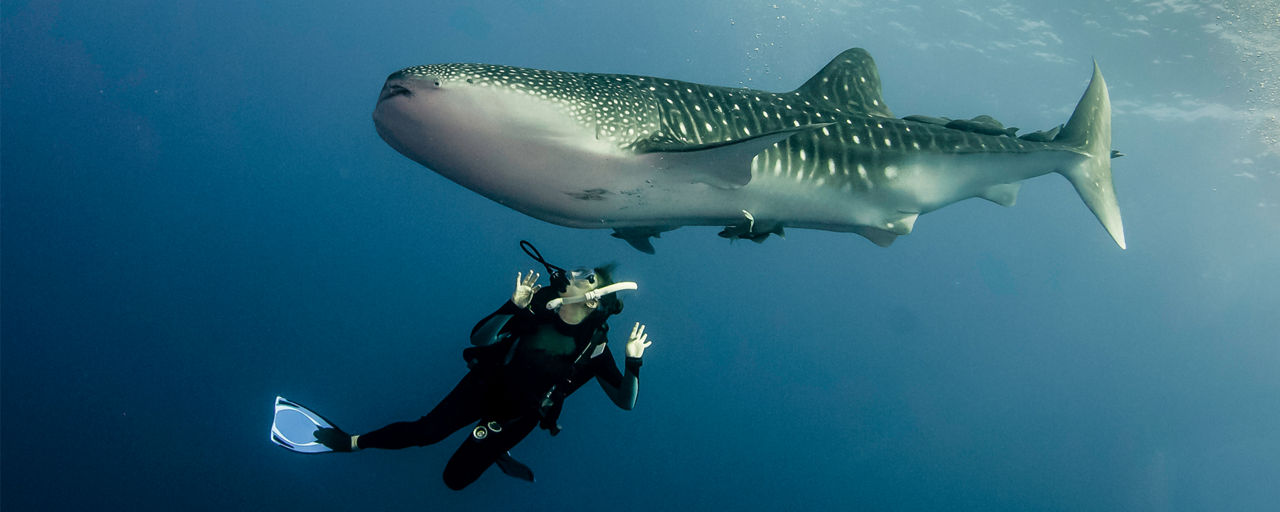
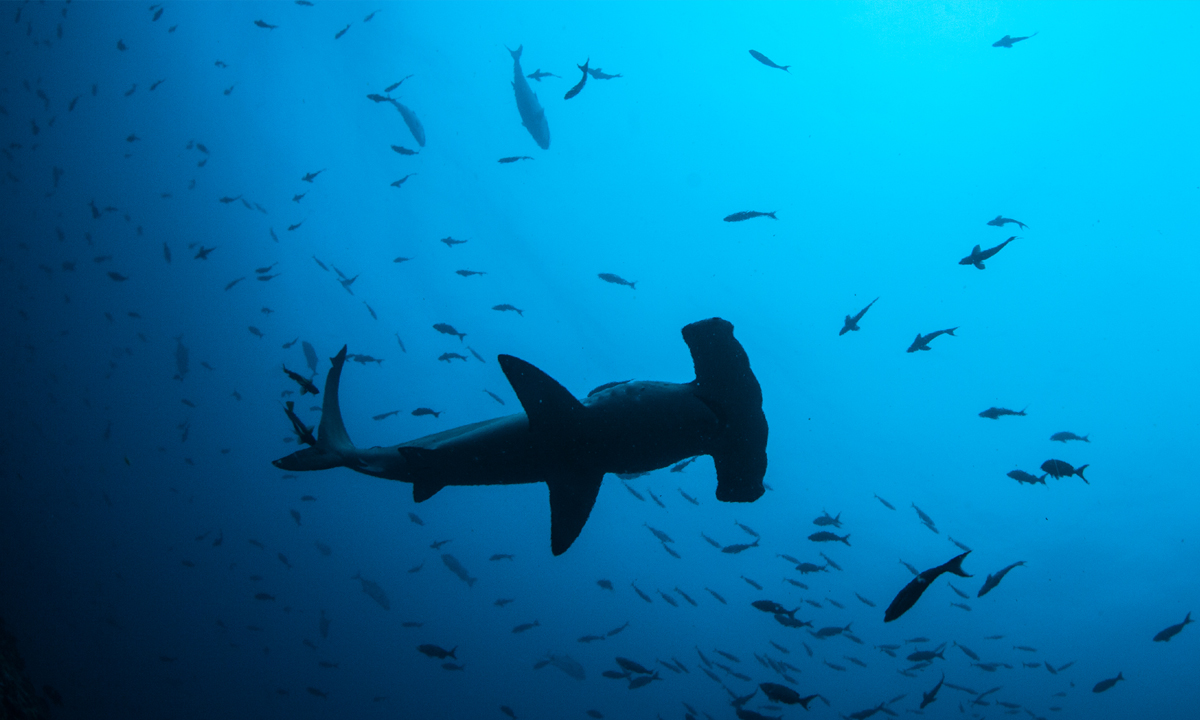
Coco Island, also known as Coconut Island, is a real highlight for divers and is often referred to as Costa Rica’s most beautiful diving area. It takes about 38 hours from Puntarenas (located about two hours by car from San José) to cover the approximately 550 kilometres by boat, hence multi-day diving safaris are on offer. Over 30 years ago, the island was declared a maritime nature reserve, which has led to the creation of unprecedented biodiversity. In what is still a very unspoilt diving area, divers may be lucky enough to see hammerhead sharks, manta rays, whale sharks, sea turtles and many other marine creatures. Coconut Island is particularly famous for its numerous shark species, which are regularly found here – in particular, hammerhead sharks can be found here in abundance. As well as the colourful biodiversity, there is also a lot of geological interest to discover beneath the surface of the sea with unique rock formations and arches, colourful coral gardens and vast volcanic landscapes. Water temperatures remain constant throughout the year at between 26°C and 28°C, and the typically good visibility of 30 metres ensures that divers are sure to return home with a wealth of new experiences. The strong currents and water depths mean that diving around Coconut Island is particularly suited to experienced divers. As a result, many diving safari providers require an Advanced Open Water diving certification as a minimum.

Swim with turtles in Playas del Coco
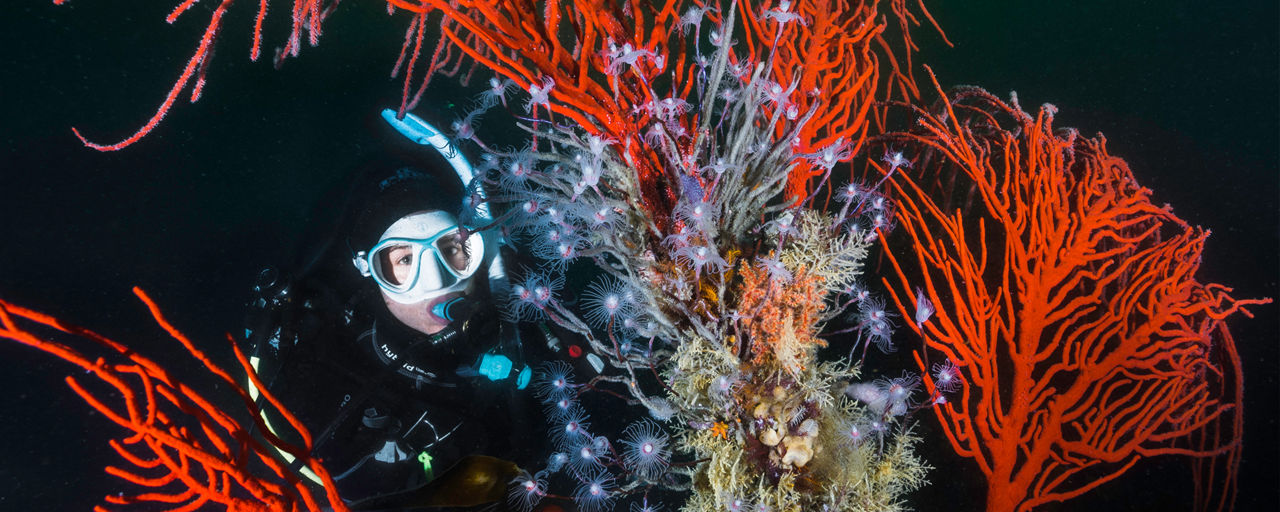
Although sea turtles are an endangered species, in Costa Rica, many of these fascinating animals are to be found along both coasts. On the Pacific coast near the village of Playas del Coco, and the beach bearing the same name, during the warmer months you have a unique opportunity to snorkel and dive with green sea turtles. There are numerous diving schools in Playas del Coco offering a range of courses and excursions. Not only does this coastal town offer diving spots within easy reach, it is also the ideal starting point for diving trips to the famous Catalina Islands and Bat Islands, both popular destinations for experienced divers. Playas del Coco’s calm waters and rich sea fauna also make the dive sites off the beach perfect for beginners. Diving novices can venture on their first dives in the shallow reefs, watching, among other things, tropical fish, barracudas, devil rays and whitetip reef sharks.

Immerse yourself in new worlds on the Bat Islands at night
The Bat Islands are located in the Gulf of Papagayo, close to Santa Rosa National Park. This archipelago, also known as the Islas Murciélagos, lies off Costa Rica’s Pacific coast and is popular with advanced divers due to the demanding diving conditions there with strong currents. The underwater backdrop is a veritable masterpiece of nature, with steep rock faces that fall hundreds of metres into the depths, and colourful coral reefs where you can observe large shoals of fish, rays and bull sharks. Another highlight is a night dive in the waters of the Bat Islands, offering a very special atmosphere and the chance to discover nocturnal marine creatures such as lumpfish and apricot spindles. One particularly fascinating sight is the bioluminescent plankton, which glows in the darkness when divers move. An Advanced Open Water certification is recommended, or even required by many diving providers. An extra tip: the best diving in the Bat Islands is in the off-season from May to September, and Edelweiss flies to Costa Rica all year round. They are located about 45 kilometres northwest of Playas del Coco, meaning they can be reached by boat in around an hour.

50 Shades of Corals at Isla del Caño
Like the famous Cocos Island, Isla del Caño boasts rich sea fauna, but it is closer to the mainland of Costa Rica. This small, uninhabited island is part of the biological reserve of the same name and is also located on the Pacific coast. The protected area is best reached from Uvita (about a four-hour drive south of San José) and delights divers and snorkellers alike with visibility of 10 to 30 metres. A range of diving spots offer the chance to see colourful shoals of fish, eagle and manta rays, as well as various species of shark. When you dive at Devil’s Pinnacle, you will find yourself about 15 metres below the water’s surface among colourful shoals of bluestripe snappers and grunts. Experienced divers can follow the steep underwater cliffs to a depth of 40 metres, but need to watch out for the currents. On the way to Isla del Caño, travellers can also see humpback whales, pilot whales, dolphins and even orcas, depending on the season.

An adventure rock for beginners in Manuel Antonio National Park
When you google Costa Rica, you will inevitably come across the name Manuel Antonio. The famous national park is located about four hours’ drive south of San José, and offers a great variety of species both on land and in the water. The Pixie Rock dive site is easily accessible and offers the perfect opportunity to explore the national park’s underwater world. On the rock, you’ll find colourful coral reefs, where divers can see angelfish, trumpetfish, parrotfish and seahorses, among others. Depths of up to 12 metres and hardly any currents make Pixie Rock the perfect adventure playground for both less experienced divers and beginner divers.

Islas Catalinas: Diving with mantas
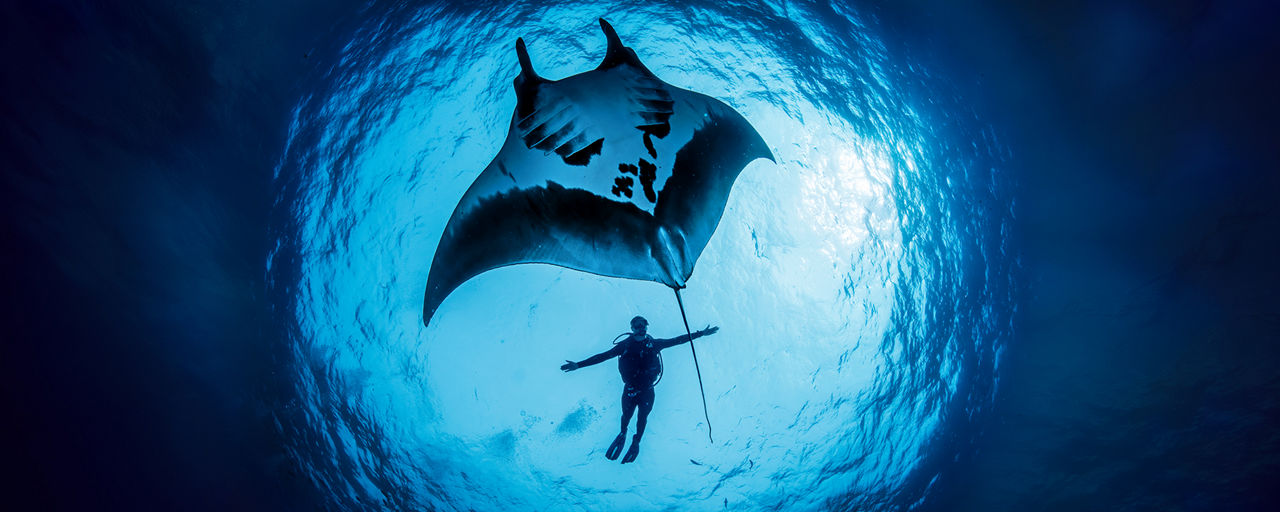
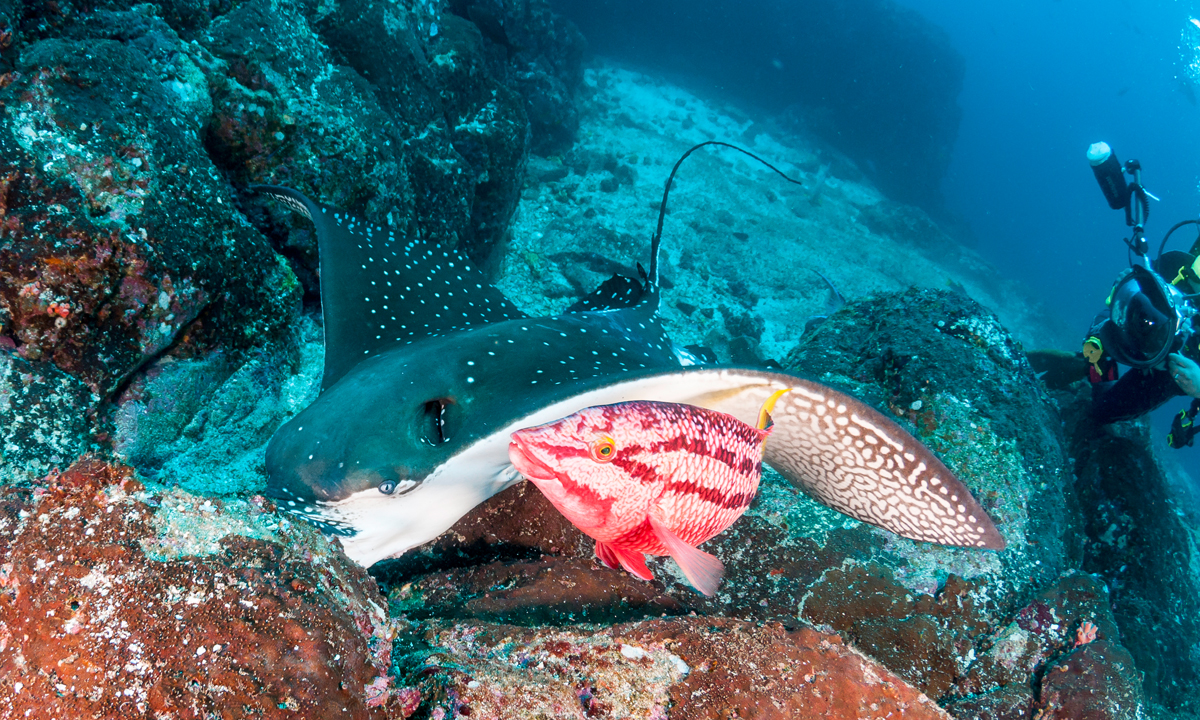
The small archipelago of the Islas Catalinas lies a fair distance off Playas del Coco on the Pacific coast. It is home to oceanic mantas, and is very popular with divers from all over the world. However, with depths of 12 to 35 metres, the diving sites of the Islas Catalinas are more suitable for advanced divers, as there can be strong currents and rough surface conditions. Drift dives are the main focus here, so divers should be able to descend without a guide line. At popular dive sites such as La Pared (The Wall) or La Punta (The Point), divers are treated to the sight of whitetip reef sharks and numerous species of ray. One very special highlight is that the Islas Catalinas are home to oceanic mantas. The majestic manta rays can be watched in large groups, especially from November to April.

Caribbean underwater world in Cahuita National Park
The Pacific coast is known for its large numbers of dive sites and for sightings of big fish such as bull sharks, while the Caribbean coast boasts colourful coral reefs that are particularly suitable for beginner divers. Areas such as Cahuita and Puerto Viejo are about a five-hour drive from San José, and offer excellent conditions for snorkellers and divers alike, because a snorkel is usually all it takes to really immerse yourself in the Caribbean underwater world. There are numerous shallow areas on the protected beaches of Cahuita National Park that provide insights into the fascinating underwater world. If you’re lucky, you’ll come across nurse sharks and stingrays. The best time to dive off Costa Rica’s Caribbean coast is from August to November, when visibility is clearer and the water is calmer.
Activity at/in the destination

Recommended diving courses
The following diving schools and courses are the ideal choice for exciting excursions.