




Diving Facts

- Number of dive shops:
31
- Recommended travel time:
Year-round; October to May (West Coast) and May to October (North-East Coast)
- Recommended diving suit:
Wetsuit, 3 mm
- Flight connection:
Edelweiss recommendation
Sri Lanka is a fantastic destination for diving, as the warm currents of the Indian Ocean are home to an incredible variety of marine life every bit as diverse as the wildlife found on land. Both beginners and advanced divers can enjoy Sri Lanka year-round. A visit to the “Bullet Proof VIP Car Wreck” in Negombo is a must for divers looking for an outstanding experience. Here you can explore eight bulletproof cars at a depth of 17 to 27 metres. The vehicles, once owned by former Sri Lankan politicians, including makes such as BMW, Jaguar, Mercedes and Land Rover, now serve as a new home for marine life. The diving spot can be reached by boat from Negombo on a guided dive in about 30 minutes.
Top diving spots in Sri Lanka

Black coral and rock labyrinth at Hikkaduwa
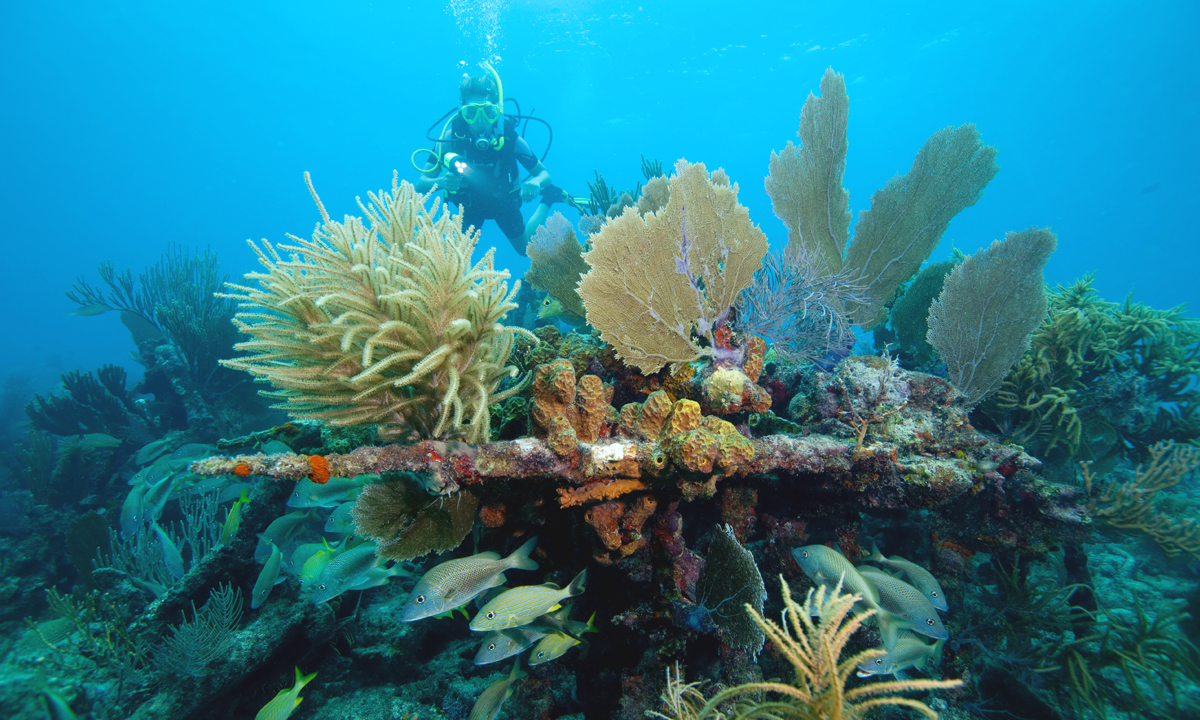
The black coral (which, by the way, is not really black but white) is what gives Black Coral Point its name. They grow in impressive tree-like structures and, at a maximum depth of 30 metres, combined with the rock labyrinth, create a magical charm. In the rock formations’ fissures and crevices, you can discover various colourful reef fish, rays and, with a bit of luck, also a turtle. Currents and visibility may vary, so it is recommended to ask on site about the current conditions. From Colombo you can get to Hikkaduwa by bus or train in two to three hours. Nearby, there are around 22 different diving spots, a marine national park and nine historic shipwrecks. With glass-bottom boat trips and turtle watching on the beach, the wide range of marine life can also be appreciated without getting wet.

Swarms of wrasse at Napoleon Reef in Unawatuna
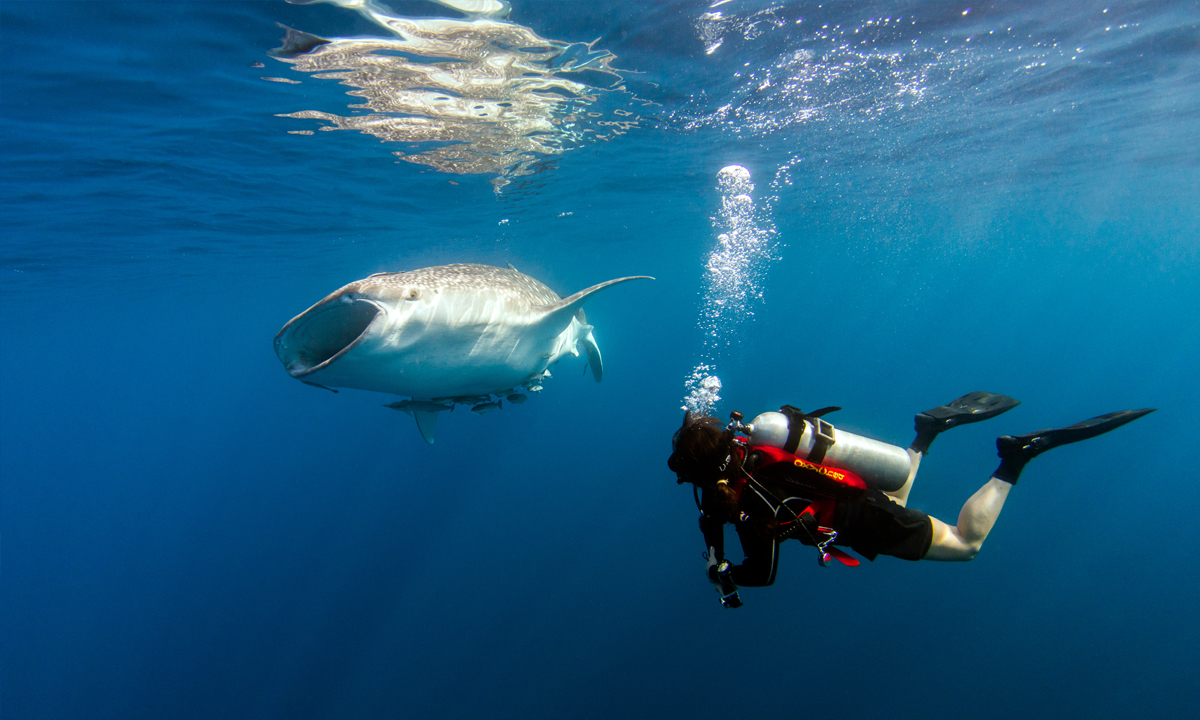
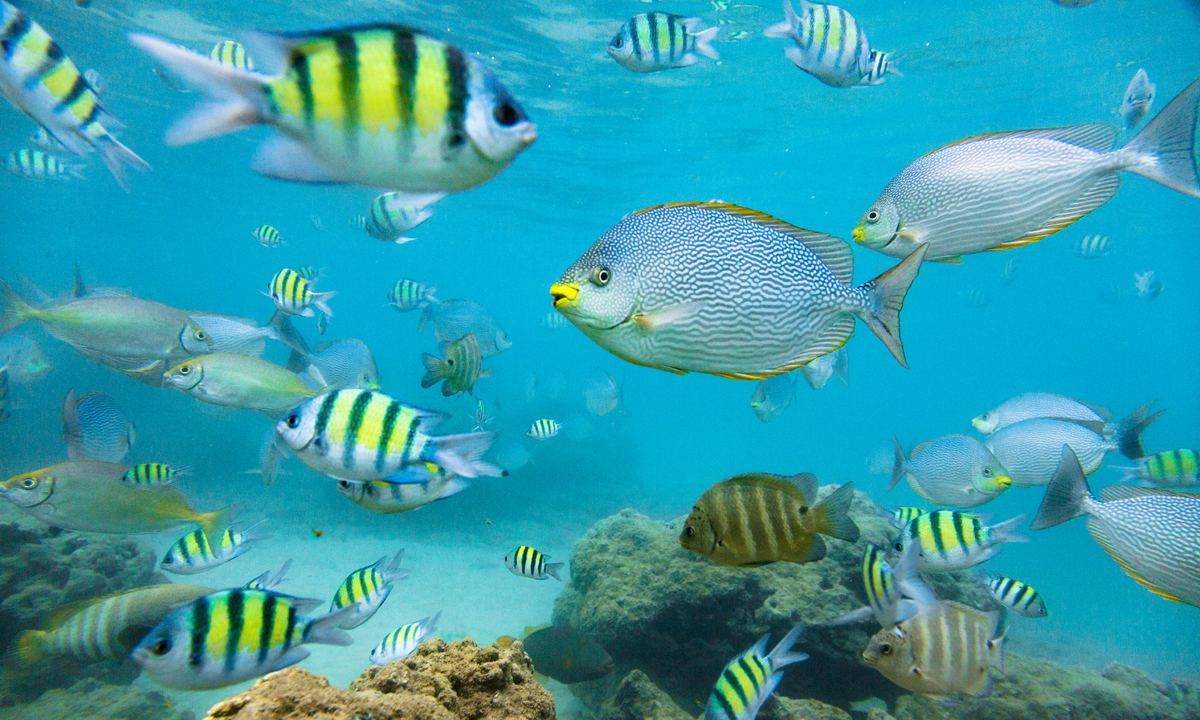
With its picturesque ambience, the idyllic coastal town of Unawatuna on the south coast of Sri Lanka attracts a lot of people, but its rich underwater world is also an absolute highlight for divers. Around Unawatuna, there are 16 diving spots for all levels, including Galle Shipwreck, Ralagala Wreck, Taprobane Reef and the infamous Rangoon Wreck. The wrasse feel particularly at home at Napoleon Reef at a depth of five to 30 metres, but whale sharks, turtles and mantas, as well as mobula rays, can also be spotted regularly. If you arrive from Colombo, you should take the train to Unawatuna. The journey takes about two and a half hours.

Snorkel with turtles at Polhena Reef
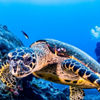
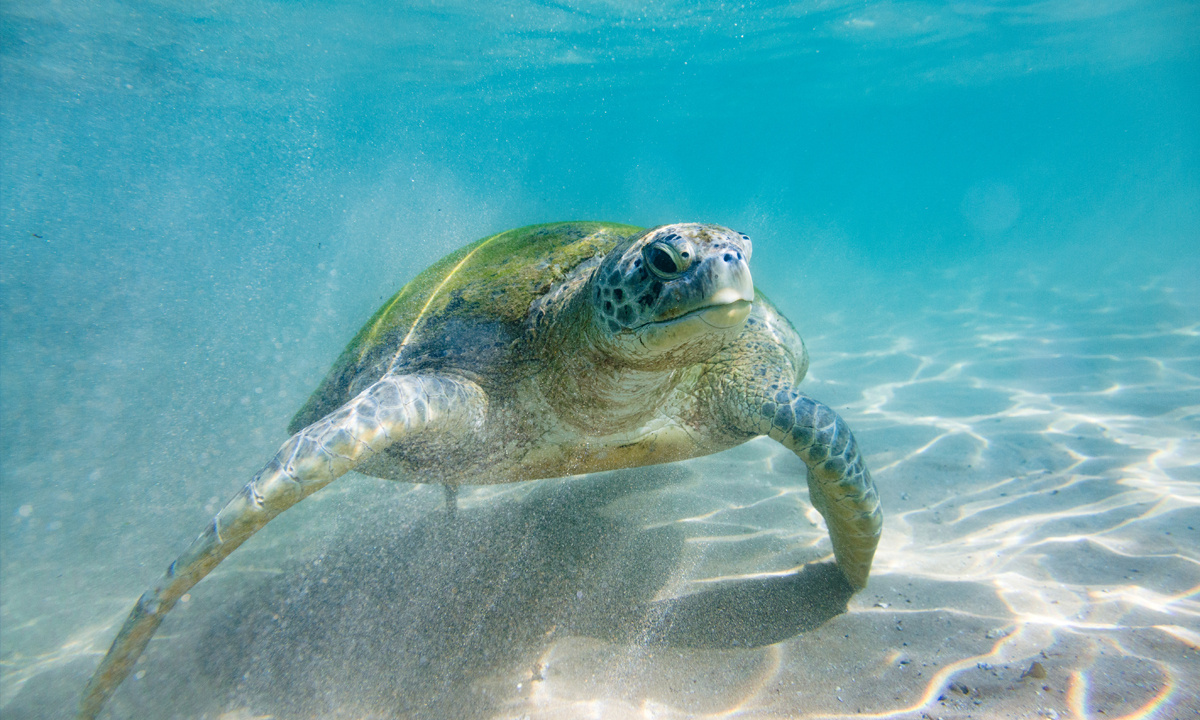
The Polhena Reef in Matara is a shallow fringing reef that forms a natural barrier against the waves. The protected reef is particularly calm and suitable for less experienced divers taking a basic course. The reef is particularly well-known for its sea turtles, which live here permanently. In addition, various reef structures and coral farming facilities can be seen. The diving centres offer their snorkelling tours both day and night – a special experience. There are buses and taxis from Colombo to Matara, taking about two and a half hours.

Remains of the aircraft carrier HMS Hermes on the east coast of Sri Lanka
For history lovers or diving enthusiasts alike, the HMS Hermes wreck is an absolute highlight for everyone. In April 1942, the aircraft carrier was sunk by Japanese aircraft during the Second World War, and is now on its port side at a depth of about 53 metres. The wreck is an impressive size at 183 metres in length, and many details like glass windows and the control tower remain well preserved. Several dives are needed to discover this underwater museum in all its splendour, and each dive is an adventure in itself. Due to the depth, a Tec 45 certificate or equivalent technical diving certificate is required.The wreck is located in Batticaloa, about 324 kilometres from Colombo on the eastern coast of Sri Lanka – but the distance is worth it because it is considered to be one of the world’s best Tec diving spots.

Breathtaking biodiversity in Kalpitiya
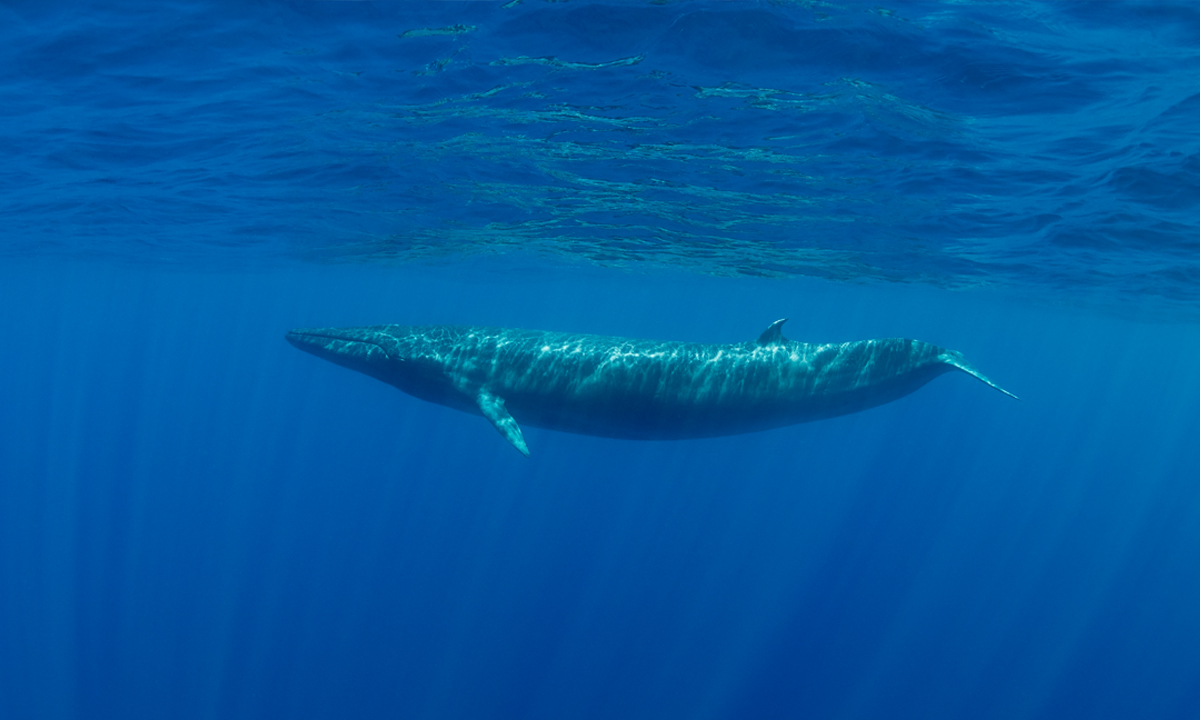
Kalpitiya is located about three hours from Colombo and is home to Sri Lanka’s largest marine conservation area. The 300 km long Bar Reef, the largest coral reef on the island with over 150 coral species, is also located here. There are about ten diving spots in Kalpitiya, with diving depths ranging from 14 to 25 metres, but they are more suited to advanced divers. One particular highlight is the different kinds of dolphins, such as bottlenose dolphins, Fraser’s dolphins, spinner dolphins, striped dolphins and humpback dolphins, all of which live off the coast. From November to April, sperm whales and blue whales can also be seen.

16 wrecks in the depths off Colombo
Pigeon Island is located approximately one kilometre from the coastal town of Nilaveli in north-east Sri Lanka. The island is made up of two parts, and there is a coral reef about 200 metres long in the immediate vicinity. There is no accommodation on the island, so day trips are the only option. Pigeon Island is part of one of Sri Lanka’s two marine protected areas, and in addition to colourful fish, octopuses, reef sharks, at depths of up to 12 metres, sea turtles and even blue whales and sperm whales can be seen. After diving, you can relax on one of the two beautiful beaches or hike to a viewing platform.
Activity at/in the destination
Recommended diving courses
The following diving schools and courses are the ideal choice for exciting excursions.