


?ts=1780648865408&dpr=off)
Diving Facts

- Number of dive shops:
Over 45
- Recommended travel time:
All year round
- Recommended diving suit:
Wetsuit, 3 mm
- Flight connection:
Edelweiss recommendation
Ranging from the Amazon rainforest, passing through vibrant major cities and Caribbean beaches, to the snow-capped peaks of the Andes - Colombia has an incredibly diverse landscape and is also one of the most biodiverse countries. South America’s fourth-largest country is home to nearly ten percent of the planet’s biodiversity, which can be discovered not only on land, but also underwater. With coastlines on both the Pacific Ocean and the Caribbean Sea, Colombia offers divers a wealth of diving highlights. Cartagena is the ideal starting point for discovering the diving spots on the Caribbean coast. The colonial city is also known as the “Pearl of the Caribbean” and offers opportunities to enjoy adventures on, above and in the water.
Top diving spots in Colombia

Colourful coral gardens in Tayrona National Park
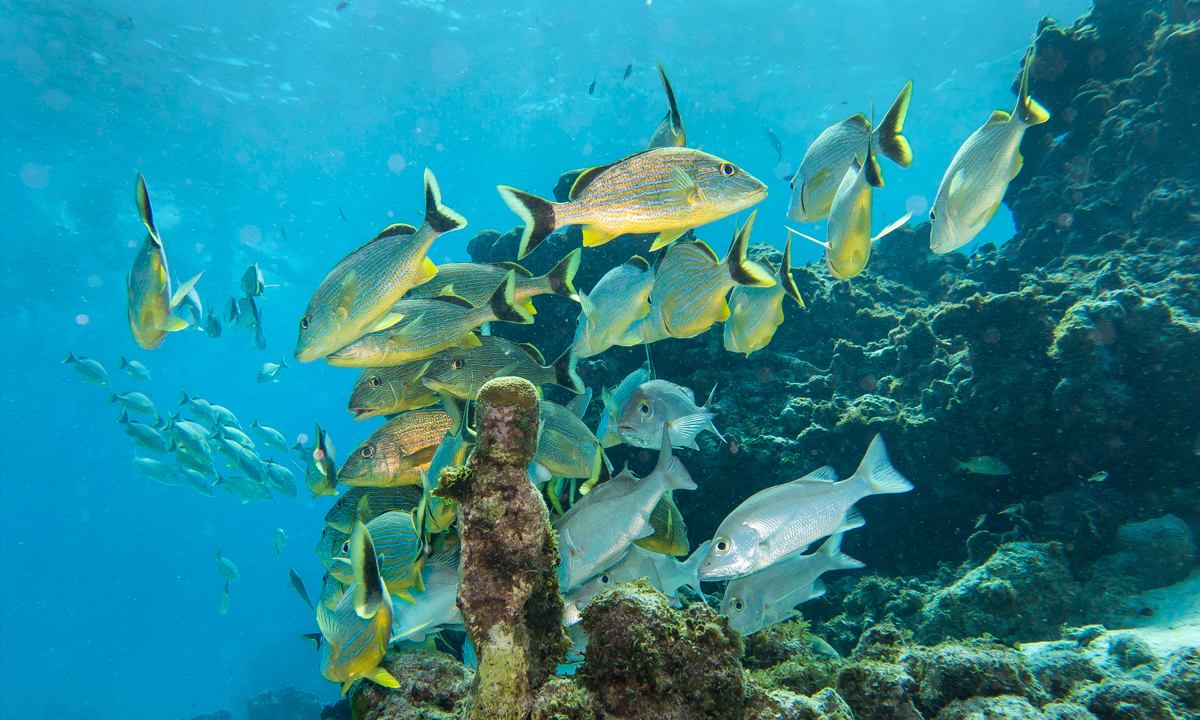
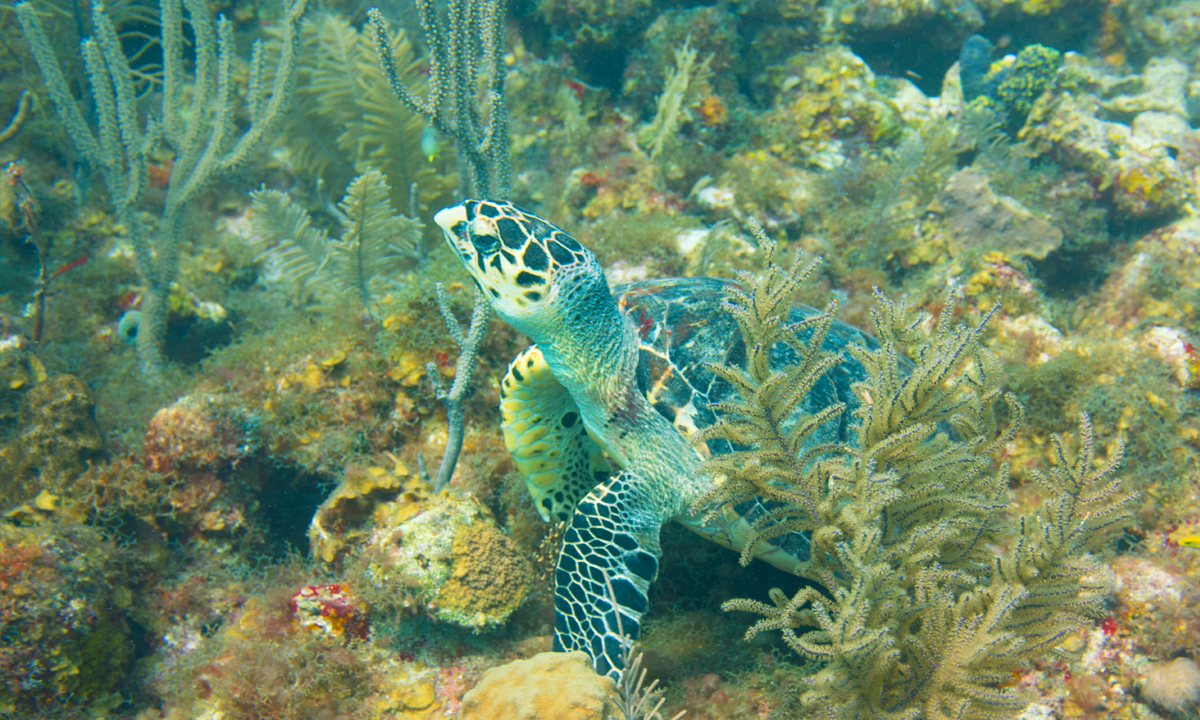
Santa Marta is located 240 kilometres north of Cartagena. The coastal city on the Caribbean Sea is particularly known for being close to Tayrona National Park. It is one of the few national parks in the Caribbean with a protected area that also includes coral reefs. The area around Santa Marta offers excellent diving sites such as Gaira Bay, Santa Marta Bay and Taganga Bay; but most of the diving sites are located within Tayrona National Park, with its unique ecosystem both in and out of the sea. The diving spots called Granate and Isla de la Aguja are particularly popular. The latter offers colourful coral reefs that are home to numerous underwater creatures. In addition to colourful shoals of Caribbean fish, divers can also sometimes encounter sea turtles and octopuses. The diving depth varies between 12 and 40 metres, making Isla de la Aguja suitable for both beginners and advanced divers. You can dive all year round in Tayrona National Park, but the visibility is considered to be particularly good in the dry season from December to April.

Virtually untouched reefs on the Panama border
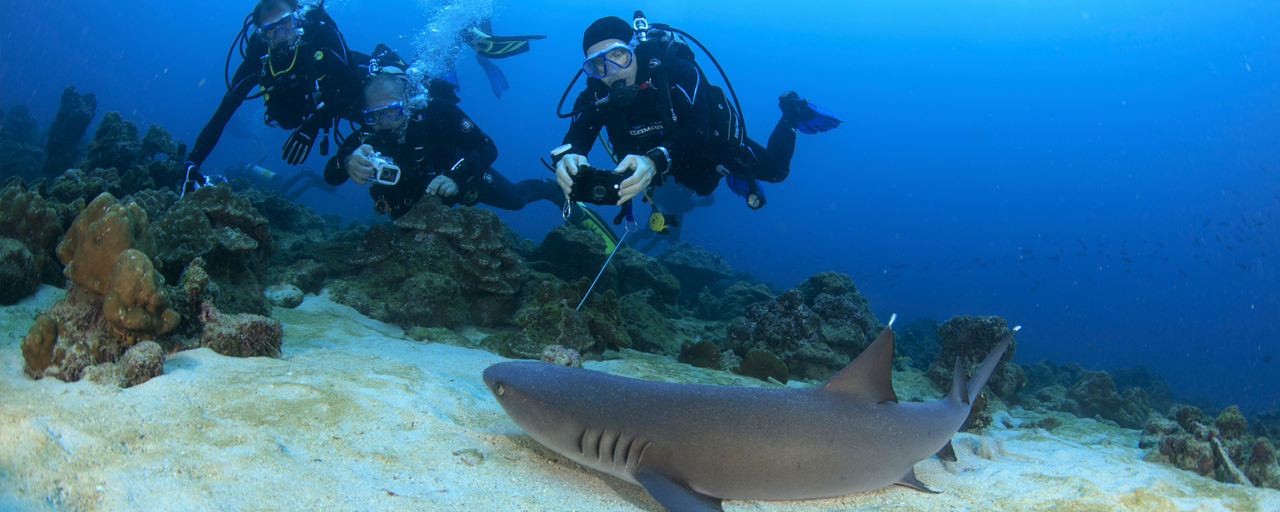
If you’d like to see Caribbean fish and colourful coral reefs, plan a trip to the border. The fishing village of Capurganá is close to the Panama border and stands out for its unspoilt nature – both on land and in the water. Capurganá’s remote location means that the dive sites here are rarely visited, and the reefs remain largely untouched – a rare treat for divers seeking authentic, unspoilt dive sites. The region is also known for its crystal-clear waters with a visibility of up to 30 metres. Beginner divers and snorkellers will also get their money’s worth here: just a few metres from the shore, you can often spot turtles. The reefs are teeming with colourful shoals of fish, rays and, with a lot of luck, a nurse shark. To reach this remote location, we recommend taking a domestic flight to Acandí, and then travelling by boat from the port there to Capurganá, a journey that takes around 30 minutes.

Malpelo: a diving paradise off Shark Island
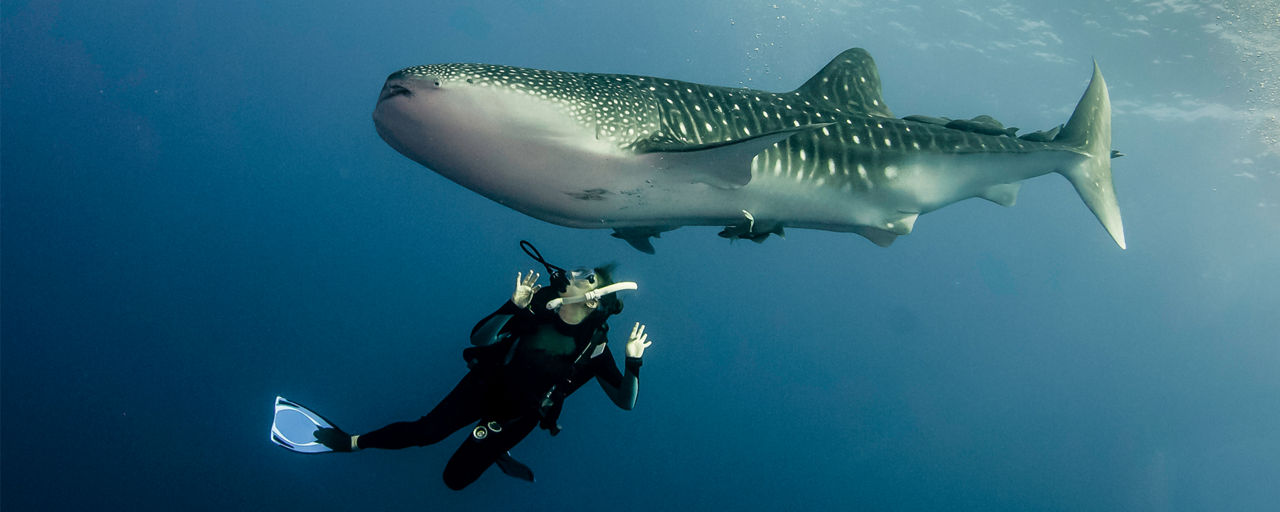
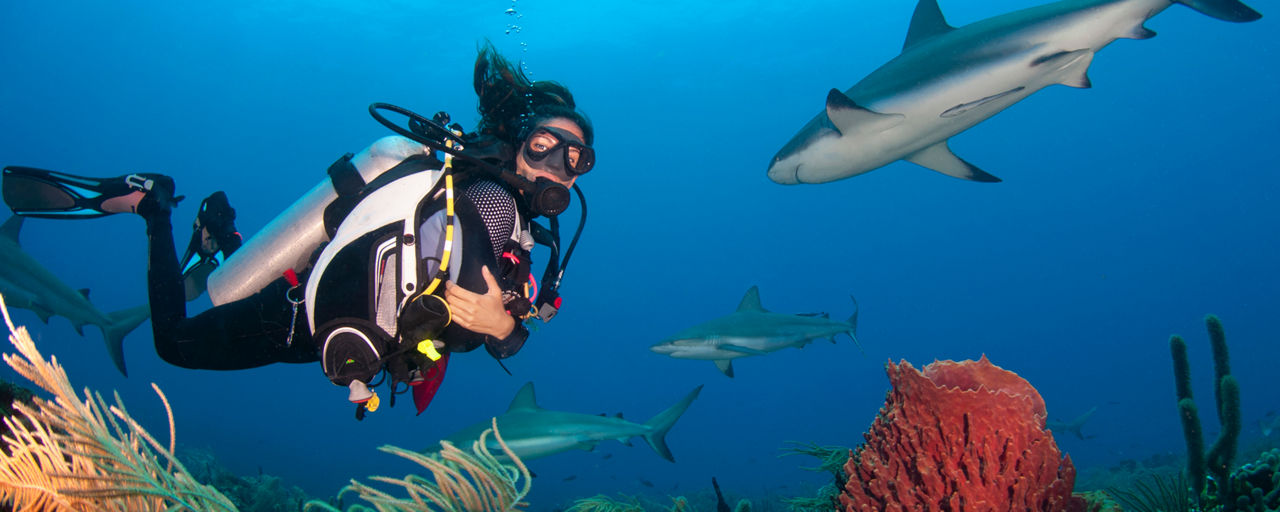
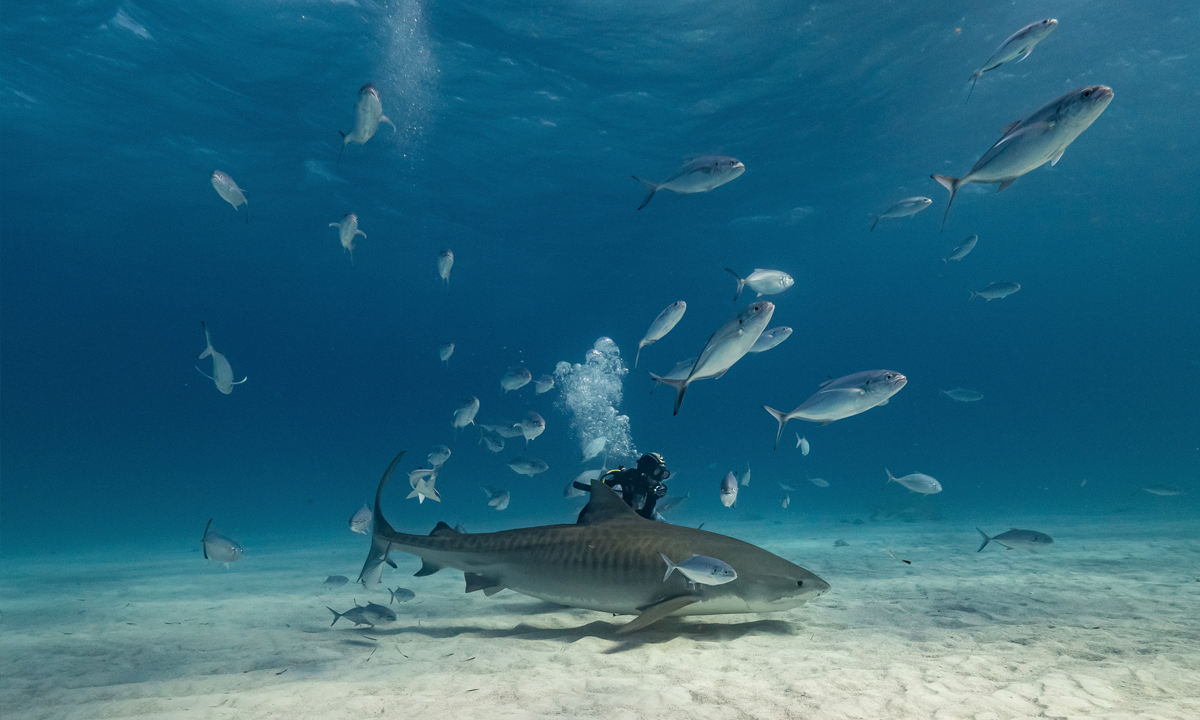
Around 500 kilometres off the Colombian Pacific coast, there is a very special island. Many diving blogs cite Isla Malpelo as one of the most beautiful diving areas in the world. This remote island offers not only an almost untouched underwater environment, but also some serious thrills: Malpelo is one of the best spots in the world for encountering large fish – especially sharks. There are around 30 dive sites around the island where divers can observe hundreds of hammerhead sharks and entire schools of whale sharks or silky sharks. The best time to dive with the majestic hammerhead sharks is from January to May. The island lies far off the Colombian mainland, and it takes around 32 hours to reach it by boat. Many providers organise diving safaris from the port of Buenaventura. Booking a diving safari is well worth it, as Malpelo has been protected since 1995 and is a UNESCO World Heritage Site. This means that special permits are required to explore the dive sites around the island. However, this long journey should only be undertaken by experienced divers, as there can be strong currents at Malpelo, and the dive depths average around 25 to 30 metres. Alongside various species of sharks, there are mantas, eagle rays, tuna and mackerel that also like to circle around you at Malpelo, making the island a very special Colombian underwater treasure.

The Humpback Whale Bay of Bahía Solano
Bahía Solano on Colombia’s Pacific coast is a town known by travellers from all over the world for its lush rainforests and beautiful sandy beaches. Snorkellers and divers also visit Bahía Solano from March to April for a number of reasons, when the Pacific comes to life when huge sardine shoals arrive in the bay and bring with them more marine life. From May to June, there are lots of whale sharks to discover, and from July to November, an even larger relative visits Bahía Solano - the humpback whale. These large mammals give birth to their young here before heading to the South Pole, providing an opportunity to listen to their songs underwater. In addition to special encounters with animals, the region also offers many other interesting diving spots, such as the sunken ship called Sebastián de Belalcázar. The former US warship is found at a depth of 26 to 40 metres and was intentionally sunk in 2004. Wreck enthusiasts particularly appreciate this artificial reef, as the inside of the wreck can be explored in three places – however, dives here should only be tackled with the relevant training. The town has a local airport, so Bahía Solano is best reached by air.

Providencia Island: home to the world’s third largest barrier reef
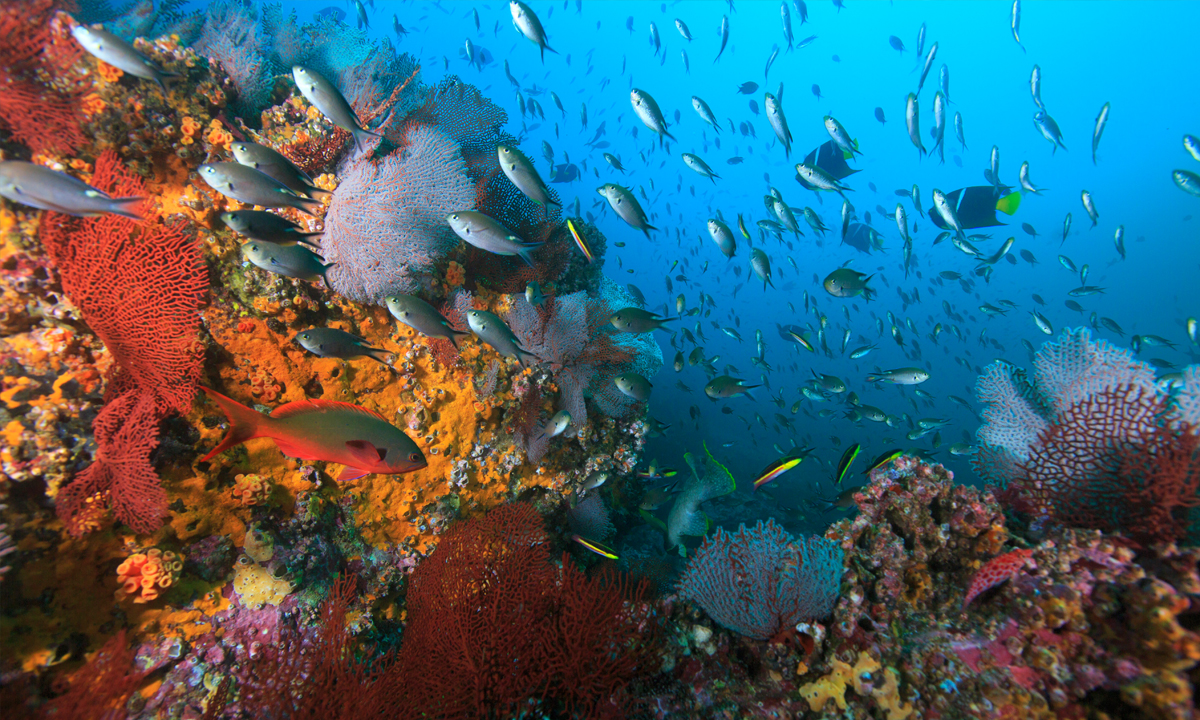
The small island of Providencia is in the middle of the Caribbean, about 775 kilometres north-west of the Colombian mainland. It is part of the archipelago of San Andrés, Providencia and Santa Catalina, which belongs to Colombia but is actually closer to Nicaragua. Providencia is located in the UNESCO Seaflower Biosphere Reserve, with a barrier reef system that is the third largest in the world. The waters around the island are called the ‘Sea of Seven Colours’, named after its many tones of turquoise and blue. The warm, crystal-clear and particularly calm water makes Providencia the ideal holiday destination for beginner divers as well as for experienced divers, who can explore more than 40 diving spots here. Providencia’s reefs are rich in healthy, colourful coral and are home to a fascinating variety of marine life, as well as exciting rock formations, caves and canyons. The Caribbean island can be reached in 15 minutes by plane from San Andrés, the small archipelago’s main island, or in three hours by catamaran.

Adventurous drift dive along the Blue Wall
After the island trip to Providencia, it’s worth staying on the neighbouring island of San Andrés for diving. A popular drift dive, the Blue Wall, awaits experienced divers here. The outer reef slope offers a very beautiful canyon which divers can swim through. The impressive vertical structure is covered with colourful sponges and soft corals, and among other things, huge parrotfish make their home here. Grey reef sharks are also more common here, and lobsters and moray eels hide between the rocks. The currents and depths of eight to well over 50 metres – with most dives ending at 40 metres – mean that this dive site is only suitable for advanced divers.
Activity at/in the destination
Recommended diving courses
The following diving schools and courses are the ideal choice for exciting excursions.